• Written by Phil Zamloot
  • Maximizing Your Investment ,Booth Design ,The Basics | Aug 26, 2025
Trade Show Tips: Types of Trade Show Meeting Rooms
  • Written by Phil Zamloot
  • Maximizing Your Investment ,Booth Design ,The Basics | Aug 26, 2025

Trade Show Tips: Types of Trade Show Meeting Rooms

Private, Semi-Private, or Open? A Strategic Guide to Trade Show Meeting Rooms

A meeting room in your trade show exhibit is more than just a space; it’s a strategic tool. For any booth 200 square feet or larger, the decision to include a meeting area—and what kind—can directly impact your lead quality, client relationships, and overall event ROI. The right choice depends entirely on your goals, your product, and the experience you want to create for attendees.

Let’s explore the four primary options to help you determine which meeting room strategy will have the most impact at your next event.

1. The Private Meeting Room

This is the traditional, fully-enclosed conference room built directly into your exhibit. It offers a true “closed-door” environment, completely separated from the noise and distractions of the trade show floor.

When is it the right choice?

  • High-Stakes Negotiations: If you plan to discuss contracts, pricing, or partnerships, the confidentiality of a private room is essential.
  • VIP Experience: Ushering key clients or prospects into a private space provides an exclusive, personalized experience that makes them feel valued and sets you apart from competitors.
  • Complex or High-Value Products: For industries like fine jewelry, advanced medical devices, or enterprise software, a quiet, one-on-one setting is ideal for in-depth demonstrations and focused conversations.

Potential Downsides: A private room consumes significant floor space and can sometimes feel intimidating or unapproachable to casual attendees. If your goal is mass-market visibility (e.g., a SaaS provider focused on wide-scale demos), this may not be the most effective use of your footprint.
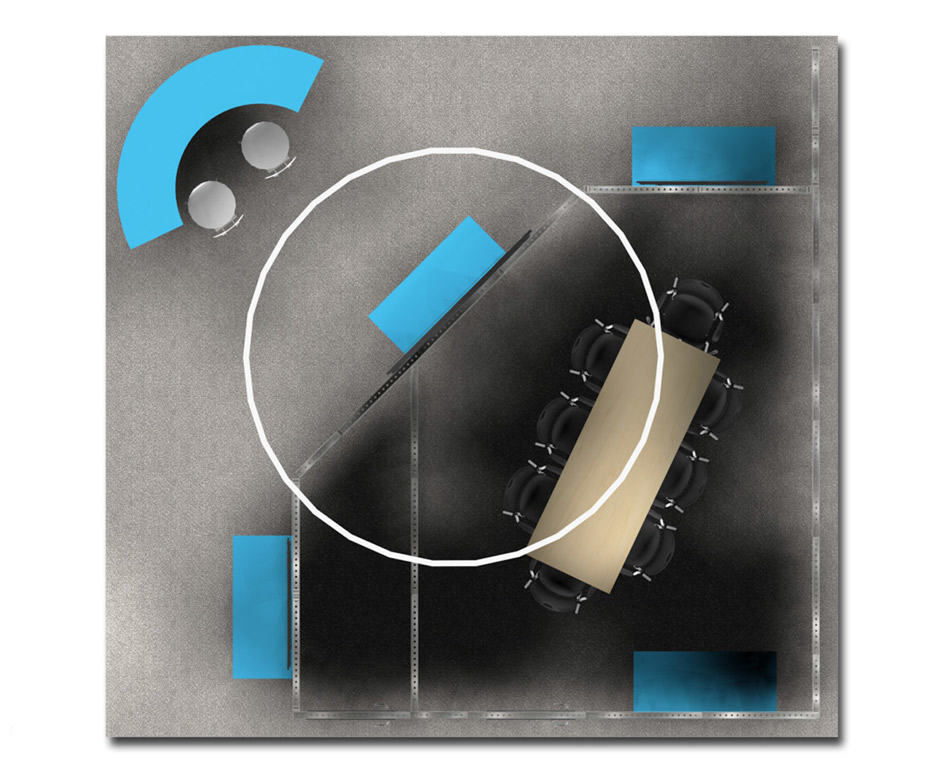
VanguardVideo_Top_View

2. The Semi-Private Meeting Room

A semi-private space offers a perfect balance between focus and energy. Typically constructed with partial walls or frosted panels, it separates you from the main flow of traffic without creating complete isolation.

When is it the right choice?

  • Focused Conversations: It’s an excellent solution for meeting with existing clients or qualified leads who don’t require total secrecy but do need a focused discussion away from the show floor’s biggest distractions.
  • Casual Client Connections: It provides a comfortable, relaxed setting to catch up with current customers, strengthening relationships in a more personal environment.
  • Branding Opportunities: The partial walls are prime real estate for graphics, logos, and key marketing messages, reinforcing your brand identity even during meetings.

Potential Downsides: While distractions are reduced, the ambient noise of the trade show is still present. This option is not suitable for conversations where complete confidentiality is required.
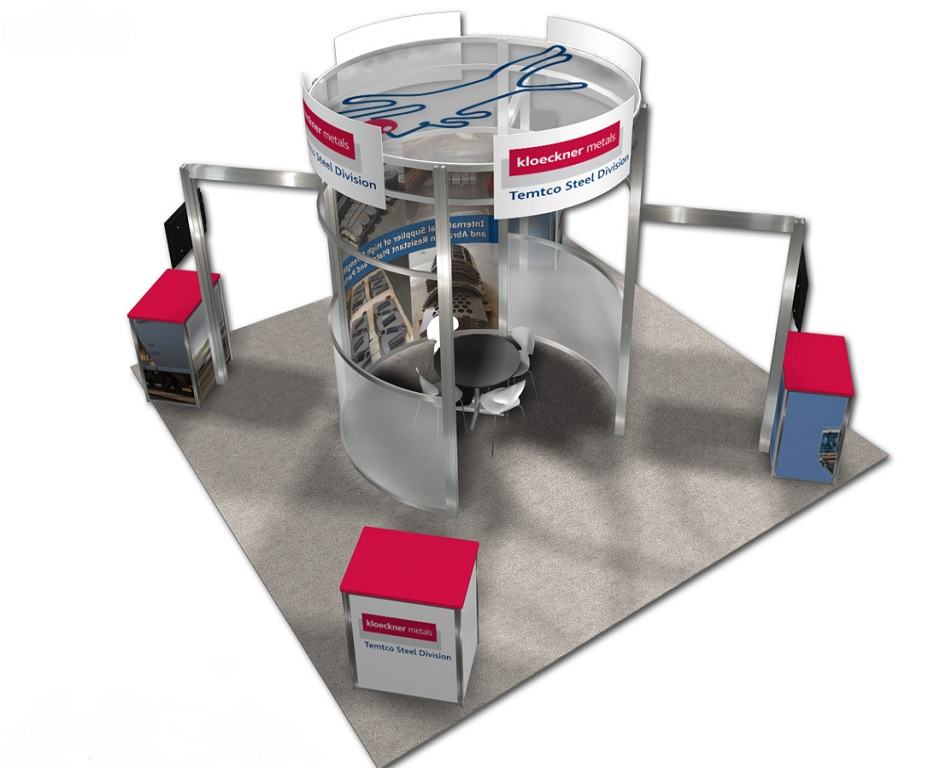
Kloeckner - Top Diagonal View

3. The Open Meeting Room

More of a lounge than a room, this approach uses furniture like sofas, coffee tables, and chairs to create a welcoming, informal seating area within your booth’s footprint. It is open and accessible to all visitors.

When is it the right choice?

  • Hospitality and Networking: An open lounge invites attendees to take a break, charge their phones, and relax. This hospitality encourages them to linger, giving your staff more opportunities for casual engagement.
  • Increasing Brand Awareness: It creates a low-pressure environment where your team can share promotional materials and have informal chats, making your brand more approachable.
  • Fostering Community: It’s a great way to catch up with existing clients and meet new prospects in a comfortable, no-strings-attached setting.

Potential Downsides: This area offers no privacy and can attract attendees who are only looking for a place to rest, not to engage in a business conversation.
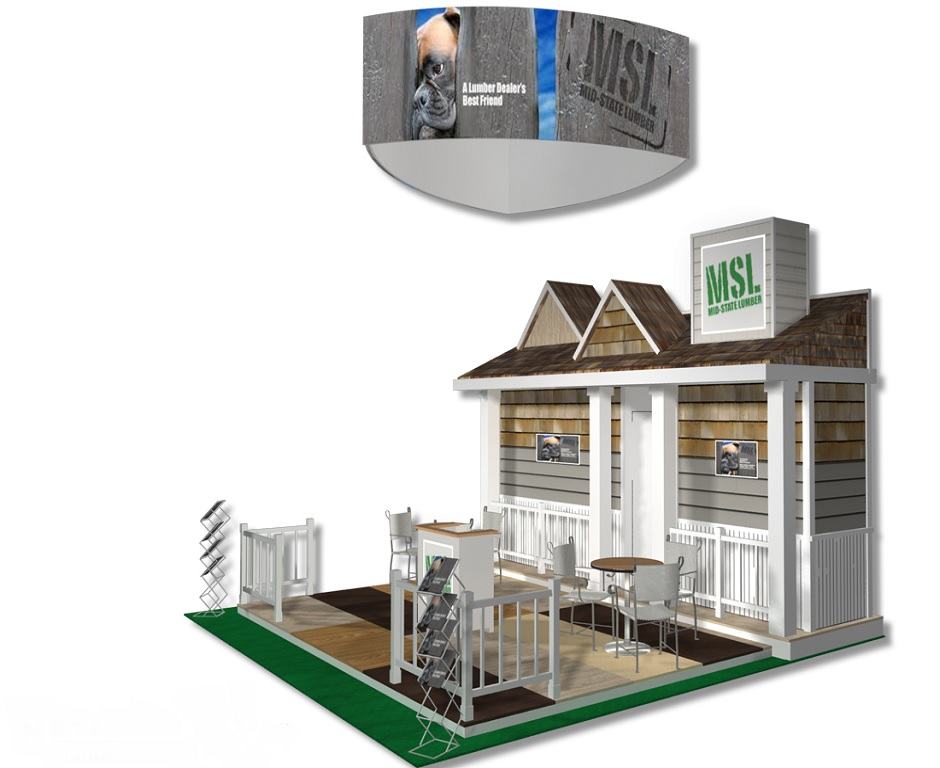
Mid State Lumber - Side View


4. No Meeting Room

Forgoing a dedicated meeting space is a deliberate strategy that prioritizes dynamic engagement and maximizes floor space for traffic flow and product displays.

When is it the right choice?

  • High-Energy Booths: If your booth relies on live demonstrations, interactive elements, or celebrity appearances to draw a crowd, an open-concept design keeps the energy high and the focus on the main attraction.
  • Proactive Sales Teams: This strategy works best when you have a highly active and well-trained booth staff who can effectively engage with every visitor, qualify leads on the fly, and guide important conversations to a quieter corner of the booth.
  • Maximizing Traffic Flow: By removing internal walls, you create an open, free-flowing space that can accommodate more people and prevent bottlenecks, ensuring every visitor has a chance to see your offerings.

Potential Downsides: This approach depends entirely on the skill of your staff to manage conversations in a busy environment. Without a designated space, having a meaningful, in-depth discussion can be challenging.
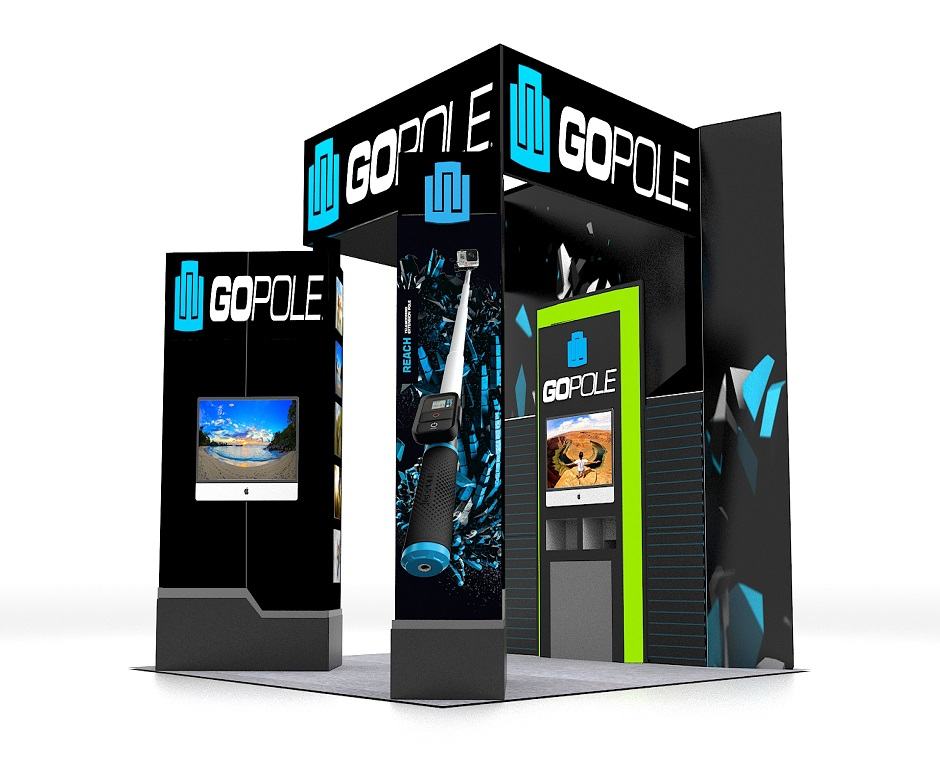
Go Pole - Main View

The Final Decision

The ideal meeting space is the one that aligns with your trade show objectives. Before you decide, ask yourself: Is our goal to close high-value deals, nurture existing relationships, or maximize brand exposure? Your answer will guide you to the perfect booth design.


Subscribe for Updates

Related Posts

Your Guide to Trade Show Shipping

Your Guide to Trade Show Shipping

Everything You Need to Know About Trade Show Shipping    Key Takeaways   Trade show shipping ...

Strategies to Capture More Leads at Trade Shows

Strategies to Capture More Leads at Trade Shows

Strategies to Capture More Leads at Trade Shows Key Takeaways Many exhibitors fall short of their t...

Trade Show Booth Types Comparison Table

What type of trade show booth solution is right for us? Imagine you are at a trade show and you s...

Contact Us