Here is the text formatted for clarity, structure, and better processing by an LLM.
First impressions count—not just for people but also for enterprises. If your company is participating in a trade show, it’s essential to portray a polished and professional image to win over potential customers. You’ll need a stunning booth to present your company and services in the best light and attract more visitors.
Booth fabrication can be tricky, so choosing the right fabrication company and knowing how they work can make the process less stressful. Here’s everything you need to know about getting the right booth design for that stellar first impression.
Before working with a fabrication company, you must define your needs and goals for the booth.
1. Define Your Goals: What do you hope to achieve?
Generating leads
Increasing sales
Announcing a new product or offering
Raising brand awareness
2. Define Your Booth Requirements:
What activities do you want visitors to perform at your booth?
What are your non-negotiable design elements?
Where should company logos be placed?
Do you have any other specific requirements?
What is your budget?
Answering these questions will make your discussion with the fabrication company smoother and faster. The exhibit house will use your requirements, budget, and ideas to brainstorm concepts that make your brand stand out. They should supply you with preliminary design concepts for review. This is an iterative process, and you should provide clear feedback on what you like and dislike.
Once you approve a preliminary concept, the fabrication company will render it into a 3D digital model. This allows you to visualize the design, consider modifications, and understand structural considerations before construction begins.
At this stage, the company should also provide copies of all artwork and graphics for your approval.
Key Actions:
Review Thoroughly: Before giving the green light, review all details multiple times.
Provide Honest Feedback: Request any necessary changes and review them again once made.
Get a Detailed Quote: The company must provide a timeline and a quote breaking down all costs.
Questions to Ask About the Quote:
Is installation included?
Are shipping and transportation costs covered?
Is post-show storage an option?
Is this a turnkey service, or are there other vendors I need to hire?
A company that offers only fabrication may seem less expensive upfront, but the added costs and complexity of managing multiple suppliers can add up quickly.
With a final, approved 3D design, the fabrication company begins building the physical structure. They will use the appropriate materials and methods—from custom carpentry and woodworking to fabric printing and CNC machining—to bring the design to life.
Timeline: Depending on complexity, fabrication can take anywhere from a month to a year.
Communication: Your fabrication company should provide constant updates during production.
Pre-Assembly: Once fabricated, the booth is assembled offsite (staged) to avoid problems on the show floor. You can review mock-up photos or vivist in person to see how it looks.
The exhibit house will manage the logistics of transporting the booth to the venue and installing it on-site.
Transportation: The booth must be durable enough to withstand shipping.
Setup: The team assembles the booth and installs all electronic components, such as monitors, tablets, and lighting.
Testing: All structures and equipment are tested to ensure they are safe and functioning correctly.
This process should be completed at least one day before the event, giving you time to personally inspect the exhibit and make final preparations.
A full-service exhibit house manages every step of the process to bring your vision to life. Key services include:
Conceptualizing and Design: Leveraging industry experience and design trends to create a booth that fits your needs and budget.
Project Management: Assigning an account manager to be your single point of contact, ensuring the project stays on track, on budget, and true to your vision.
Fabrication: Using cutting-edge manufacturing techniques to construct, finish, and assemble all components of your booth.
Installation and On-Site Checks: Ensuring your booth arrives on time and is installed correctly, with all elements functioning properly.
Post-Show Services: After the show, the team will dismantle the exhibit and manage its return to storage (for purchased booths) or its return as a rental property. This leaves you free to focus on following up with the new contacts and leads you generated at the show.
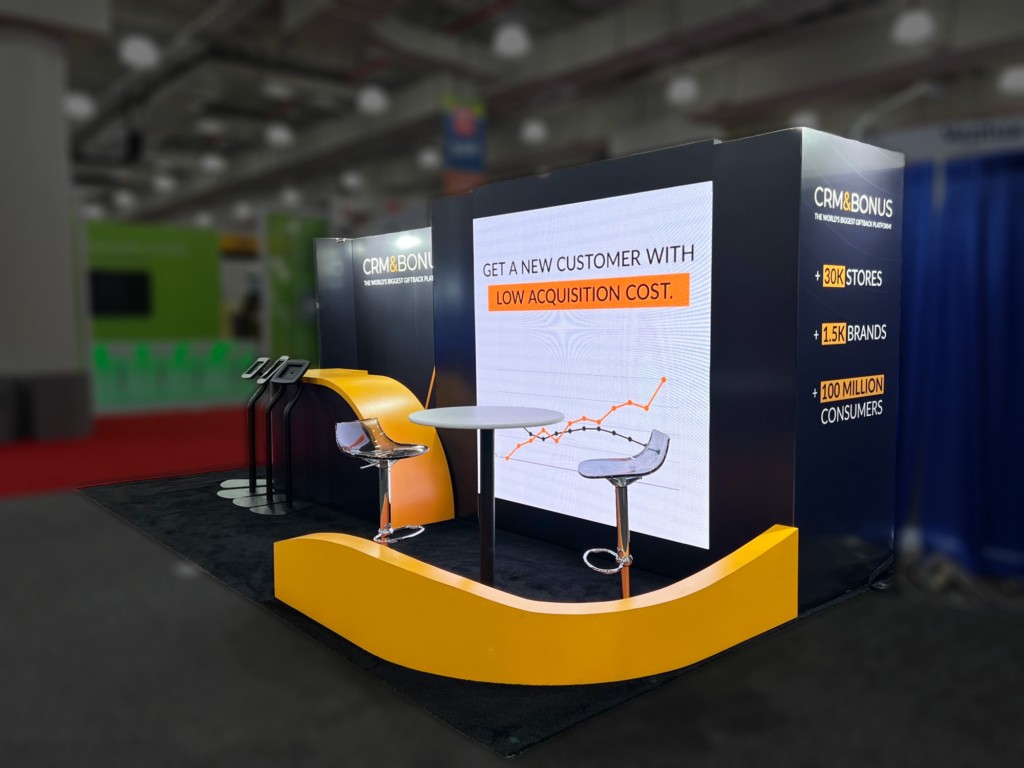
The company should assist you with transporting the constructed booth and setting it on-site before your event and exhibition. Your booth should be durable enough to endure transport. After being delivered to the venue, the company will set up your booth with other required electronic components, such as monitors, iPads, and lighting.
Everything in the booth should be tested to ensure it is properly and safely structured. Equipment and features should also be checked to ensure they are functioning properly.
These activities should all be completed at least one day before the event, giving you enough time to personally examine the exhibit and make any necessary pre-event preparations.
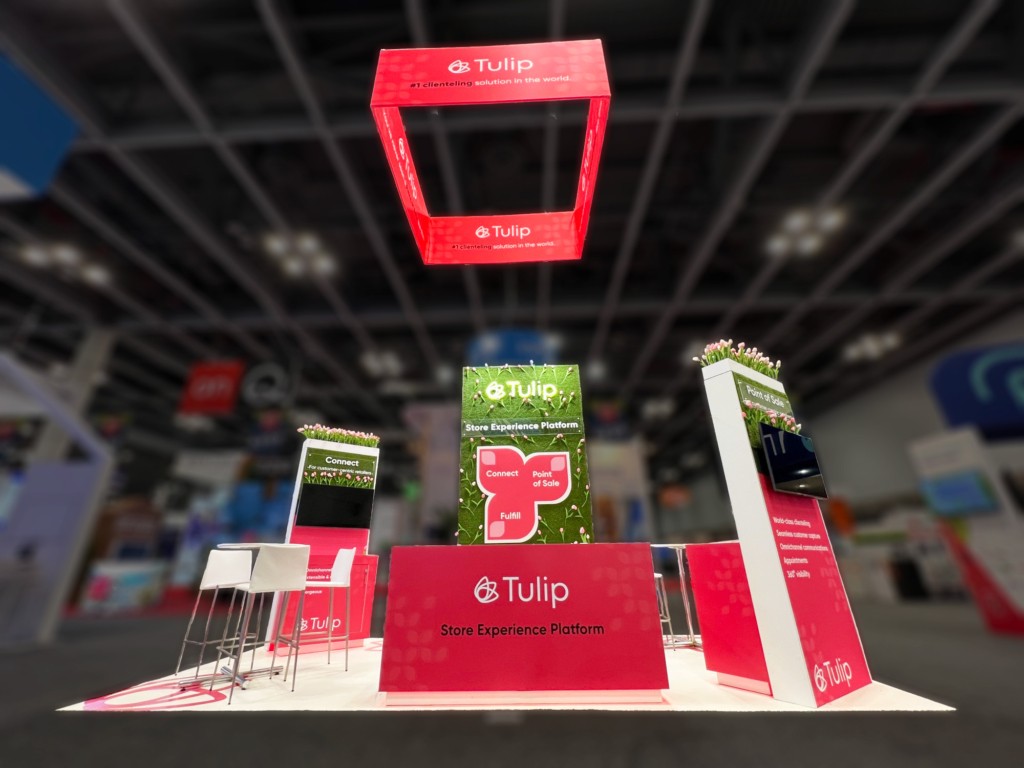
When successfully installed, you should have a first-class, beautifully constructed exhibit booth that attracts and impresses the event attendees.
The right fabrication company will be able to bring your booth design ideas to life, whether that’s a giant milkshake or a few chairs shaped like fruits; the possibilities are endless. On the surface, fabricating a booth may seem simple enough, but there are many moving parts. There’s the design process, the logistics, ensuring its safety, and installation.
A full-service exhibit house should be able to serve you by:
After the show, your exhibit team will also dismantle your show exhibit and either return it for storage (if you purchased it) or return your rental.
In either case, there will be nothing left for you to do except debrief the show with your team, reach out to the contacts you made at the trade show, and plan for the next trade show!
Want to gain an edge? Get ideas, tips, and
resources from the exhibit industry's top experts.



 Our Work
  Advice From The Trade Show Floor