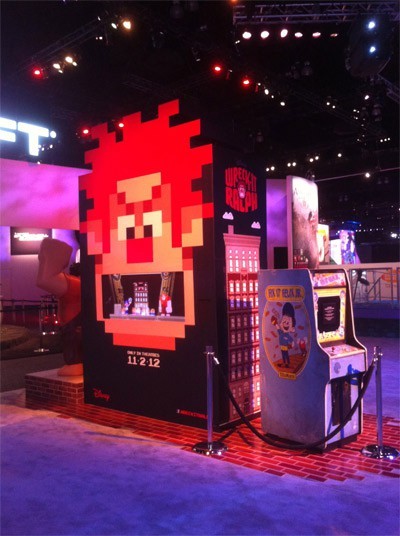
If you are exploring new ways to stand out at trade shows, you may be wondering what a kiosk is and how it fits into your exhibit strategy. A kiosk is more than just a standalone display. It is a versatile, branded structure designed to capture attention, encourage interaction, and create meaningful engagement with your audience.
In this article, we will define what a kiosk is, explore the different types available, and explain how businesses use them to drive engagement, collect data, and enhance their overall event presence. By the end, you will have a clear understanding of how kiosks can elevate your experiential marketing strategy and help you choose the right option for your goals.
Kiosk Definition: A stand-alone physical structure found in public areas that displays information or advertisements for passersby. More sophisticated kiosks encourage users to interact and include touch screens, sound, and motion video similar to an ATM machine. Kiosks are often used in malls, trade shows, and professional conferences as a way to draw and interact with foot traffic. Because they are so effective, smart marketers use these workhorses frequently. As a result, there has been a wide variety of different kiosks becoming available on the market.
When used strategically, kiosks can deliver meaningful value at trade shows and conferences. Here are some of the key benefits of incorporating a kiosk into your next event strategy:
Interactivity is essential for capturing attention and sparking interest in your product, service, or cause. With bold, branded graphics and integrated touchscreens or tablets, kiosks create an eye-catching display that encourages attendees to stop, explore, and engage. The longer prospects interact with your booth, the greater your opportunity to start conversations and generate new business.
In addition to serving as a display element, many kiosks offer secure storage space for brochures, giveaways, and other marketing assets. This added functionality helps keep your booth organized while ensuring your team has easy access to materials throughout the event.
Self-service kiosks can streamline operations both at events and in permanent locations. For example, integrating a tablet or computer allows attendees to enter their contact information digitally, eliminating paper forms and manual data entry. This makes the process faster and more convenient for prospects while simplifying follow-up for your team.
Kiosks come in a variety of shapes, size, and features.
Rental Kiosks are a great option when you are attending a trade show or event on a moderate budget. Rental Kiosks tend to be a bit more modular, but still leave room to add custom components.
Rental kiosks are significantly more budget-friendly than a full custom kiosk, and provide high-level returns if you will be exhibiting at multiple events in a year.
Pro tip: get your rental kiosk branded with your company’s graphics and advertising campaigns to increase its impact.
Custom kiosks tend to be more expensive, but provide the ultimate branding and interactive experience. Everything from the kiosk design, shape, materials, graphics, lighting, and much more can be completely customized to suit your company’s needs and branding efforts. These tend to incorporate such components as charging stations, iPad mounts, and everything in between. If you can make room in your budget, a custom kiosk is a great way to draw attention to your space.
A portable kiosk is a great choice for those with a tighter budget. These are often very basic-level kiosks that provide a work area, some branding, and storage space.
There are a variety of portable options available at varying levels of quality and cost. These kiosks are easy to install as well, cutting down the time and cost of setup. Portable kiosks tend to be relatively lightweight and easy to transport.
Self-Service Kiosks are the ultimate way for any business (especially retail locations and service providers) to utilize technology to increase customer satisfaction and reduce fixed costs. The goal of the self-service kiosk is to take employees out of the equation by satisfying customer needs with a high-quality user interface and digital kiosk display.
This convenient technology is used everywhere from rental car providers and airports to fast food restaurants. These kiosks are a significant initial expense, but more than pay for themselves with the ability to cut fixed-costs in the long-run.
If you have ever been at the mall and someone approached you in the corridor, upselling their product, they will typically be stationed at a mall kiosk. There is a reason why every mall has kiosks in them–they work!
If you have a good design, product display, and most importantly, high-quality staffing, mall kiosks can be a great way to sell consumer goods.
Selecting the right kiosk starts with clarifying your goals, budget, and event strategy. The process is straightforward when you partner with an experienced exhibit vendor.
Begin by asking your trade show booth provider whether they offer kiosk rentals, custom builds, or both. Share your concept, event objectives, and budget so they can recommend the best solution for your needs.
Your vendor will typically provide an initial rendering of your kiosk concept. From there, you will collaborate through revisions until the design aligns with your branding, functionality requirements, and event goals.
One of the most important decisions is whether to rent or purchase your kiosk.
Your vendor can help you weigh costs, storage considerations, and future event plans to determine the most strategic option.
Once the design and terms are approved, your exhibit partner will produce the kiosk, handle delivery and installation at the event, and coordinate dismantling and removal after the show.
With the right planning and partnership, choosing a kiosk becomes a seamless part of building a high-impact trade show presence.
At Metro Exhibits, kiosks are not one-size-fits-all solutions. We design and deliver kiosk experiences that align with your brand, event goals, and operational needs, whether you need a simple portable unit or a fully customized interactive environment.
Every successful kiosk starts with thoughtful design. Our team works with you to develop a concept that integrates seamlessly into your exhibit, reinforces your brand identity, and supports your specific goals, from lead capture to product education.
Engagement drives results. We design interactive kiosks with integrated touchscreens, tablets, and digital displays that allow attendees to explore content, submit contact information, participate in demos, or engage with immersive brand experiences.
Need flexibility? Portable kiosks are lightweight, easy to transport, and quick to set up, making them ideal for companies attending multiple events or working within tighter booth footprints.
For permanent or semi-permanent installations, our retail kiosks are designed to enhance customer experience, support self-service functionality, and maintain strong brand visibility in high-traffic environments.
If you exhibit occasionally or want to test a concept before committing long-term, rental kiosks provide a cost-effective and flexible option without sacrificing quality or visual impact.
For brands that want something truly distinctive, we offer fully custom-built kiosks tailored to your exact specifications, including unique shapes, premium finishes, integrated technology, and branded graphics.
Designed specifically for event environments, our trade show kiosks balance visual impact, durability, functionality, and ease of installation to help you stand out on the show floor.
Kiosks are more than simple displays. When thoughtfully designed, they become powerful tools for engagement, lead capture, and brand visibility at any event. Whether you need a portable solution, a rental option, or a fully custom-built kiosk that aligns with your exhibit design, the right partner makes all the difference.
Ready to elevate your event presence? Talk to an exhibit expert at Metro Exhibits to start planning a kiosk solution tailored to your goals.
A kiosk is used to display information, promote products or services, encourage interaction, and support lead generation in a compact, branded format that fits easily within a booth space.
Kiosks can integrate tablets or touchscreens that allow attendees to enter their contact information digitally, register for demos, download resources, or participate in giveaways, making lead capture faster, more accurate, and easier to manage after the event.
An interactive kiosk includes built-in technology such as touchscreens or tablets that allow users to engage directly with digital content, while a standard kiosk typically focuses on static graphics and brand messaging.
Renting is often best for companies that exhibit occasionally or want flexibility, while purchasing makes sense for brands that attend multiple events each year and want a long-term, fully customized solution.
Yes, most kiosks are designed with built-in storage compartments for brochures, giveaways, or personal items, helping keep your booth organized and functional. For additional security, as your builder for a storage space that locks with a code.
No, kiosks can also be used in retail stores, corporate offices, lobbies, conferences, and other high-traffic environments where businesses want to provide information, support self-service, or increase engagement.
Want to gain an edge? Get ideas, tips, and
resources from the exhibit industry's top experts.


 Our Work
  Advice From The Trade Show Floor