
Trade shows can feel overwhelming for first-time exhibitors. Between planning your booth, coordinating logistics, preparing your team and promoting your presence, there are many moving pieces that must come together before the event even begins. Without a clear plan, it is easy to overlook important details that can impact your results.
This trade show checklist walks you through the key steps before, during and after the event so you can stay organized, attract more visitors to your booth and make the most of your investment.
Most exhibitors reserve their booth spaces about a year before an event. In the four to six months leading up to their convention, though, you should start your pre-show planning. This is when you plan your exhibit booth design, launch your pre-show marketing campaign, and determine your onsite staff.
In other words, it’s when you start filling out your pre-show cheat sheet and crossing tasks off of your list.
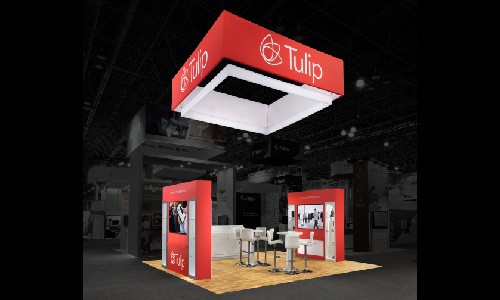
One of the first items on every exhibitor’s trade show checklist is their booth design. Before you get too far into the process, you’ll need to equip yourself with some key information, including:
Then, you can take these details—and your long list of questions—to talented experts who excel in amplifying your brand through custom trade show booth design. It can take several months from initial design to final fabrication, so it’s best to start your design process four to six months before your show. An expert booth vendor like Metro Exhibits can shorten this timeline if necessary.
A strong pre-show marketing strategy is imperative. You need to let existing and prospective customers know that you’ll be exhibiting so they can easily find you on the show floor. Some of the best marketing methods that veteran exhibitors often use:
Additionally, you’ll have to design and produce any literature, collateral, and giveaways you plan to have on hand at the trade show. Your pre-show marketing efforts should both boost your visibility at the event and support your onsite staff.
You’ll need talented, engaging staff to work your booth throughout the show, so booth staffing should be next up on your trade show checklist. And, since travel expenses like airfare and lodging tend to increase as the travel dates approach, it’s best for finances and your team’s schedule to check this item off about two months before the expo.
You’ll need to determine things like how many people you’ll have onsite, when they’ll get lunch breaks, their dress code at the convention center, and whether you’ll send company employees or partner with third-party brand ambassadors. For more detailed guidance and to learn what pitfalls to avoid, please read our booth staffing guide.
The closer the expo gets, the busier trade show professionals are—and the more anxious many first-time exhibitors become. This is the ideal time to review your trade show checklist to ensure you’ve addressed all the necessary details and tie up any loose ends. Make sure you are clear with:
If your trade show booth display was sent to the advanced warehouse, chances are it’s either en route or has already been delivered. The two weeks leading up to a convention is a great time to confirm the tracking information of the booth and any boxes or giveaways you might’ve shipped separately from the display itself.
In short, your motto for the two weeks before your show should be: Confirm, confirm, confirm!
Veteran exhibitors know that life on the show floor is filled with long and tiring days—especially if they’re tasked with being at the convention for the installation, show run, and dismantle. If you’re a first-time exhibitor, use these pro tips to help you stay energized and efficient throughout each on-site hour:
Every exhibitor should pack a personal go-bag with a handful of items to help them get through the long days on the show floor. Mints, water bottle, bandaids, phone charger (but stay off your phone!).
Most convention centers are enormous buildings with thick walls, so cell phone and internet reception can be spotty. Make sure you have paper copies of all of your show orders, including flooring, electricity, and hanging sign rigging, plus information on your delivered shipments, so you can make sure everything has been brought to your booth space.
You’ll spend a lot of time walking around the convention center between your booth, the food court, the restrooms, and the service desk, so wear comfortable clothes. And even if your company ordered double-thick padding under your booth space carpet, your feet and legs will get tired, so make sure your shoes are well-fitting and supportive.
The more prepared you are before you get on-site, the easier those long days at the convention center will seem.
Once the show has ended, your exhibit has been dismantled and packed up, and you’re back to your normal routine in the office, your job isn’t quite done. There are still a few trade show checklist tasks to complete: your post-show wrap-up and analysis.
In this phase of trade show management, you’ll look at your booth’s overall performance at the event. Here are a few key figures to calculate and analyze:
You’ll also want to make sure your sales team follows up quickly on the warm leads you earned at the show. Your entire marketing team worked hard to make the event a success for your company, and now it’s time to earn more sales and boost your overall trade show ROI.
Planning a successful trade show takes more than a checklist. It requires the right strategy, booth design, logistics, and support to bring everything together seamlessly. At Metro Exhibits, our team helps exhibitors simplify the entire process with expert design, fabrication, shipping, installation, and on-site support so you can focus on connecting with attendees and generating leads. Whether you need full white-glove service or support with specific parts of your exhibit, we help ensure every detail is handled and nothing falls through the cracks.
Ready to make your next trade show a success? Talk to an exhibit expert today to start planning your booth and bringing your event strategy to life.
Most exhibitors begin planning 3–6 months before the event to allow enough time for booth design, logistics, marketing preparation, and staff training.
First-time exhibitors should focus on clear booth messaging, trained staff, strong pre-show promotion, and a plan for capturing and following up with leads.
A trade show checklist should cover booth design, shipping logistics, marketing materials, staff preparation, lead capture tools, and post-show follow-up plans.
Eye-catching booth design, interactive elements, clear signage, and pre-show promotion through email and social media can help drive more traffic to your booth.
Many exhibitors use digital lead capture tools, badge scanners, or tablets to quickly collect contact information and qualify potential prospects.
Following up quickly after the event helps turn booth conversations into real opportunities while your brand and discussion are still fresh in attendees’ minds.
Want to gain an edge? Get ideas, tips, and
resources from the exhibit industry's top experts.

Key takeaways Define clear goals upfront to accurately measure trade show ROI. Measure success beyo...

Key Takeaways Trade show success depends on follow-up: Timely and strategic follow-up is what turns...

Key Takeaways: Interactive trade show games are powerful tools for attracting attention and incre...



 Our Work
  Advice From The Trade Show Floor